Health
NCDC warns misinformation could weaken Nigeria Ebola response
Misinformation may hinder containment after the first Ebola case in a decade, says NCDC, urging students to rely on verified sources.
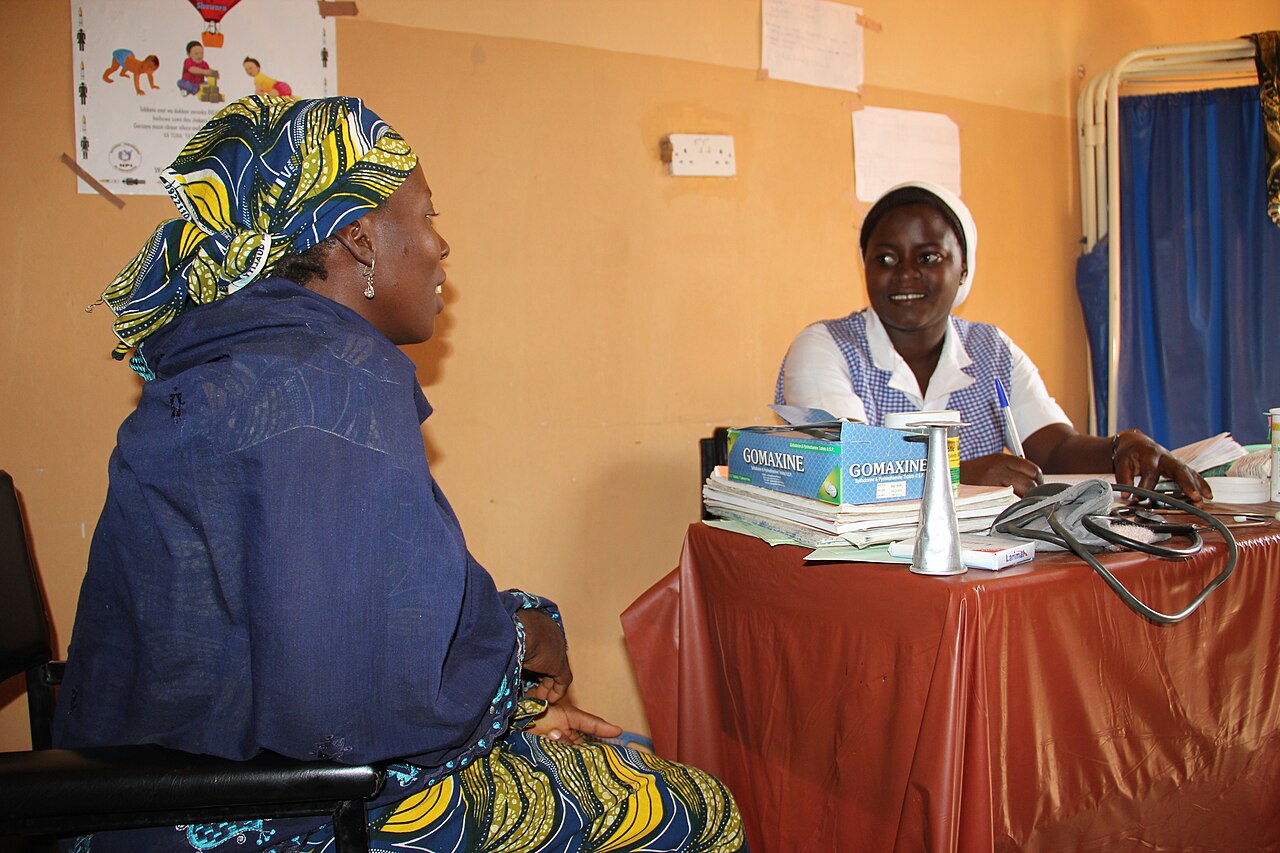
The Nigeria Centre for Disease Control and Prevention (NCDC) warned on Sunday that misinformation could weaken the country's response to Ebola, potentially creating fear and discouraging symptom reporting. Director‑General Jide Idris gave the warning during a briefing in Abuja, where he updated officials on actions taken after the first confirmed case in more than a decade was recorded on 20 October in the Federal Capital Territory.
Idris urged Nigerians to rely on verified information from the NCDC, the Federal Ministry of Health and Social Welfare, and other authorised public health agencies, rather than circulate unverified claims. He said the agency is strengthening community engagement, risk communication and efforts to manage rumours, and will provide regular updates as verified information becomes available.
The briefing noted that the NCDC has identified 53 primary contacts linked to the confirmed case, including healthcare workers, the patient’s domestic staff and spouse, and personnel who collected samples. These contacts have been listed, categorised by exposure level and are being monitored. As of the briefing, none of the contacts had tested positive or shown symptoms, and they will be observed for 21 days after their last possible exposure.
Idris called on public and private healthcare facilities to improve screening, triage and infection‑prevention measures, ensuring staff have adequate personal protective equipment. He stressed that suspected cases should be isolated and reported promptly, without waiting for laboratory confirmation, to prevent further spread.
The NCDC highlighted that early detection, isolation, contact tracing and infection prevention remain critical, drawing lessons from the 2014 Ebola outbreak which Nigeria successfully contained. Idris also appealed for the public to avoid stigmatising patients, contacts, healthcare workers and affected communities, and to cooperate with contact‑tracing teams by providing accurate movement and symptom information.
The warning comes as the Bundibugyo strain of Ebola spreads across parts of Africa, with the World Health Organisation reporting thousands of cases in the DRC and isolated incidents in Kenya and Uganda. Nigeria’s confirmed case was imported from Uganda, and no vaccine is currently approved for the Bundibugyo strain.
Source: Premium Times (top news).
Spotted a mistake, or is this about you and you want it corrected? Tell us and we'll look at it quickly.
Study smarter this semester.
Upload your notes and MyUniPal teaches you every topic, with quizzes and mock exams.
Try MyUniPal freeRelated stories
See all
El Niño weather raises extreme heat risks and health dangers in Nigeria
Learn how rising temperatures from El Niño threaten student health and what simple steps you can take to stay safe on campus.
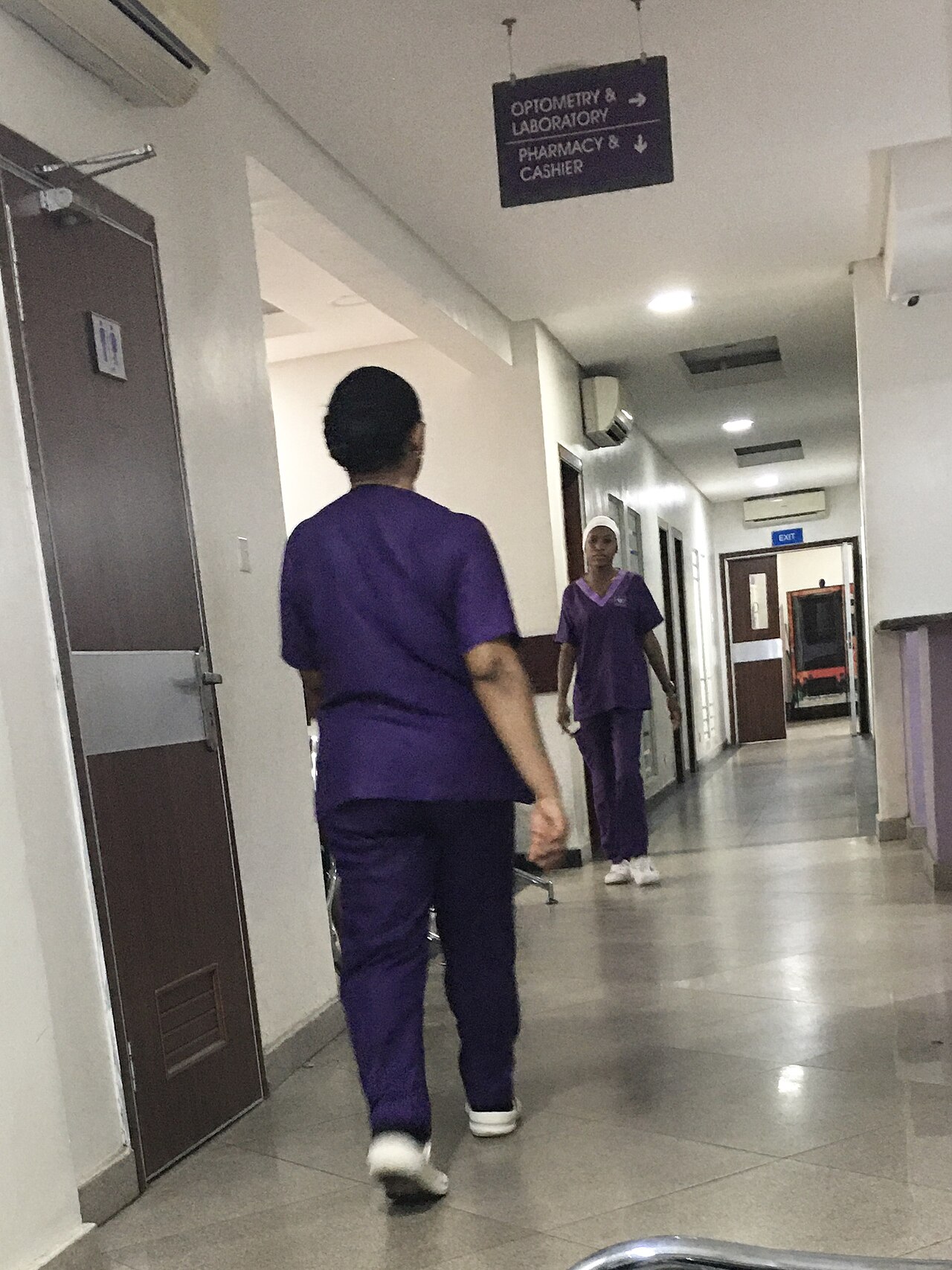
Lagos sets December 31 deadline for mandatory health insurance enforcement
Lagos residents and employers must secure health insurance before mandatory enforcement begins on January 1, 2027.
UNILAG Medical Centre issues Ebola advisory and urges calm
Find out the symptoms to watch for and how to protect yourself on campus following recent Ebola virus reports.

Lagos warns residents to prepare for extreme heat and health risks
Students facing long lectures and campus walks must stay hydrated and seek shade as rising temperatures and dry weather threaten Lagos.
Comments
No comments yet.