Health
El Niño weather raises extreme heat risks and health dangers in Nigeria
Learn how rising temperatures from El Niño threaten student health and what simple steps you can take to stay safe on campus.
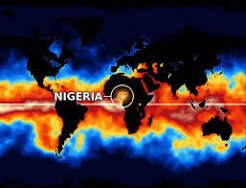
Nigerians may face increased health risks from extreme heat as El Niño influences global weather patterns and raises the likelihood of above-normal temperatures, according to PREMIUM TIMES. Staying safe during periods of intense heat requires simple measures like adequate hydration, proper ventilation and recognising early warning signs.
According to NiMet, El Niño increases the likelihood of above-normal temperatures in many parts of the world and can significantly alter rainfall patterns. In August, NiMet issued a seasonal climate forecast indicating that observations of the Pacific Ocean suggested the onset of a strong El Niño event, which was expected to influence global climate patterns between August and October. The agency stated that the evolving super El Niño event represents one of the strongest ocean-atmosphere phenomena in recent decades, with significant implications for Nigeria's rainfall patterns. During the three-month period, the agency projected wetter-than-normal conditions across parts of northern Nigeria, particularly Sokoto, Kebbi, Zamfara, Katsina, Kano, Yobe, Borno, Bauchi and Jigawa states. Parts of southern Nigeria, including Oyo, Ogun, Lagos, Osun, Ekiti, Edo and Delta states, were expected to experience drier-than-normal conditions, while Kogi and parts of Benue State could also experience drier-than-normal conditions.
Health Risks and Expert Advice
Prolonged exposure to high temperatures can overwhelm the body's ability to regulate its internal temperature, potentially resulting in heat exhaustion and heat stroke. Heat exhaustion occurs when the body loses excessive amounts of water and salt through sweating, with symptoms including heavy sweating, weakness, dizziness, headache, nausea and an elevated body temperature. Heat stroke is a more severe and potentially life-threatening condition with warning signs that include confusion, altered behaviour, irritability, seizures and loss of consciousness. Tanimola Akande, a professor of public health at the University of Ilorin, told PREMIUM TIMES that extreme heat associated with El Niño could increase the risk of heat exhaustion and heat stroke in Nigeria. Mr Akande noted that unreliable electricity supply makes it more difficult for many households to cope with high temperatures, particularly those depending on electric fans and air conditioners, and warned that prolonged exposure to extreme heat could negatively affect agricultural productivity.
Individuals and households can adopt practical measures to reduce their exposure to excessive heat. Mr Akande recommended improving ventilation with big windows and cross ventilation, planting trees around homes to provide shade, wearing loose-fitting and lightweight clothing, avoiding dark-coloured clothes that absorb heat, drinking sufficient water throughout the day, and avoiding prolonged exposure to direct sunlight during the hottest hours. For heat exhaustion, the affected person should be moved to a cool place, have extra clothing removed, and be sponged with tepid cold water, while conscious individuals can receive water or an oral rehydration solution. If the person is unable to drink independently, they should not be forcefully made to drink water and plans should be made to take them to the nearest health facility. Heat stroke requires immediate emergency medical attention, and while waiting for medical assistance, the affected person should be moved to a cooler environment and cooled rapidly using available methods such as cold water, wet cloths and fanning. Vulnerable groups who may require additional protection include outdoor workers, children, older people, pregnant women and people living with chronic conditions like diabetes and cardiovascular diseases.
Source: Premium Times (top news).
Spotted a mistake, or is this about you and you want it corrected? Tell us and we'll look at it quickly.
Study smarter this semester.
Upload your notes and MyUniPal teaches you every topic, with quizzes and mock exams.
Try MyUniPal freeRelated stories
See all
Lagos sets December 31 deadline for mandatory health insurance enforcement
Lagos residents and employers must secure health insurance before mandatory enforcement begins on January 1, 2027.
UNILAG Medical Centre issues Ebola advisory and urges calm
Find out the symptoms to watch for and how to protect yourself on campus following recent Ebola virus reports.

Lagos warns residents to prepare for extreme heat and health risks
Students facing long lectures and campus walks must stay hydrated and seek shade as rising temperatures and dry weather threaten Lagos.

Nigerian startup D-Olivette Labs wins $200,000 international prize in Armenia
Read how a Nigerian climate tech startup turned farm waste into clean energy to win a major global development award.
Comments
No comments yet.