Health
UNILAG Medical Centre issues Ebola advisory and urges calm
Find out the symptoms to watch for and how to protect yourself on campus following recent Ebola virus reports.
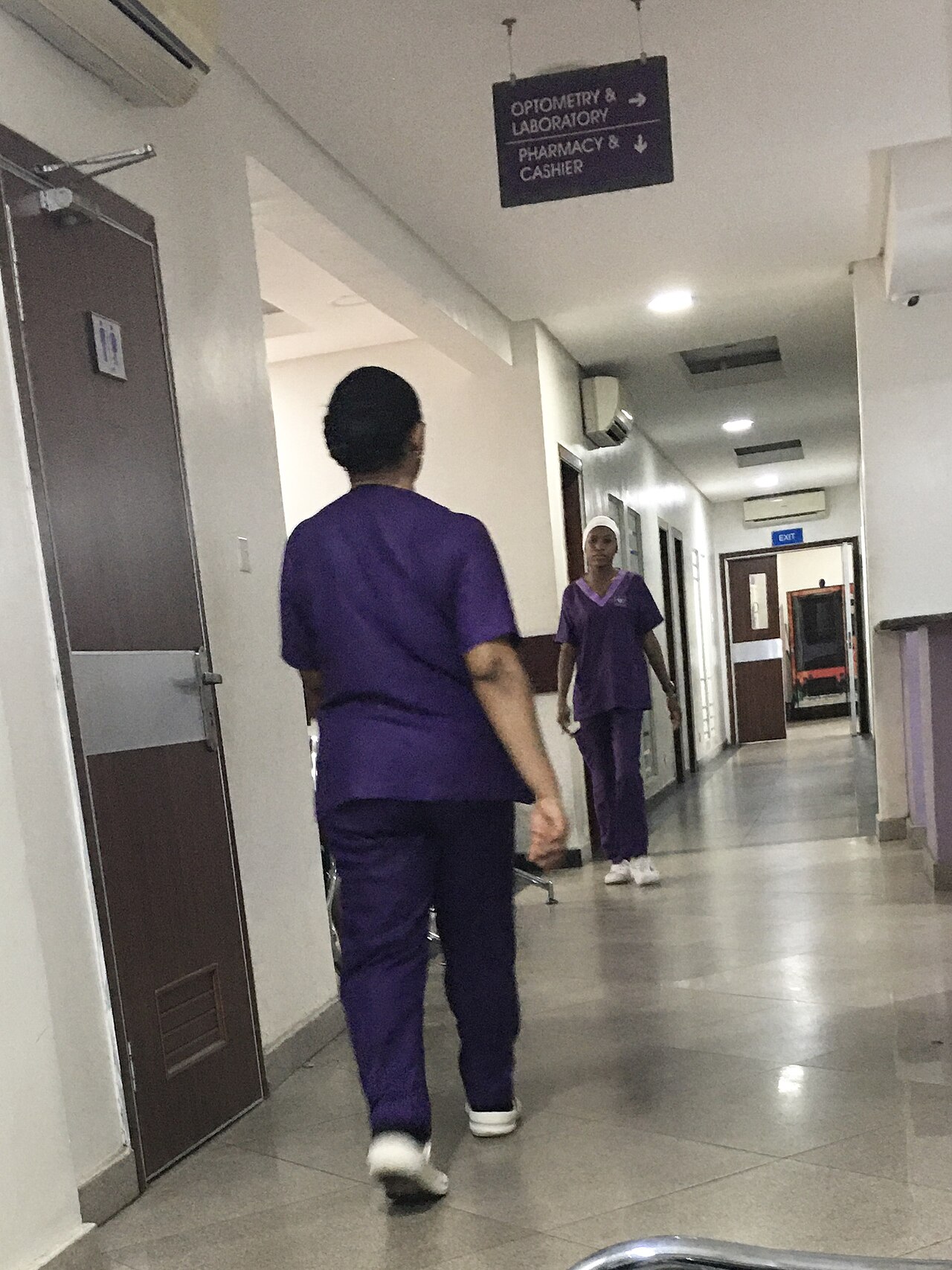
Advisory
The University of Lagos Medical Centre has asked the university community to stay calm, be vigilant and stay informed after recent reports of Ebola virus disease.
The centre stresses that recognising symptoms early, reporting promptly and cooperating with health authorities can lower the risk of transmission.
Ebola is a serious but preventable disease. It is not spread through ordinary airborne routes like influenza, and people without symptoms do not usually transmit it through routine social contact. Symptoms may appear two to 21 days after exposure and can include fever, severe headache, Unusual weakness or fatigue, Muscle pain, Sore throat, vomiting, diarrhoea and, in some cases, unexplained bleeding. Because these signs overlap with other illnesses, any recent exposure history should be reported to healthcare professionals.
Members should wash hands regularly, avoid direct contact with blood, vomit, stool or other body fluids of suspected cases, and refrain from handling contaminated clothing or bedding without protective equipment. They should also avoid handling sick or dead wild animals or unsafe contact with bushmeat. The centre advises reliance on trusted information sources and discourages the spread of rumours.
If symptoms develop after possible exposure, individuals should limit contact with others, contact the UNILAG Medical Centre through official channels or notify public health authorities without delay, call ahead before visiting, be honest about travel or exposure history and avoid self‑management at home. The advisory provides the NCDC website and toll‑free line (6232) for further information and confirms that the Medical Centre will continue to work closely with relevant health authorities and provide updates as needed.
Source: University of Lagos (UNILAG), official website.
Spotted a mistake, or is this about you and you want it corrected? Tell us and we'll look at it quickly.
Study smarter this semester.
Upload your notes and MyUniPal teaches you every topic, with quizzes and mock exams.
Try MyUniPal freeRelated stories
See all
El Niño weather raises extreme heat risks and health dangers in Nigeria
Learn how rising temperatures from El Niño threaten student health and what simple steps you can take to stay safe on campus.
Lagos sets December 31 deadline for mandatory health insurance enforcement
Lagos residents and employers must secure health insurance before mandatory enforcement begins on January 1, 2027.

Lagos warns residents to prepare for extreme heat and health risks
Students facing long lectures and campus walks must stay hydrated and seek shade as rising temperatures and dry weather threaten Lagos.

Nigerian startup D-Olivette Labs wins $200,000 international prize in Armenia
Read how a Nigerian climate tech startup turned farm waste into clean energy to win a major global development award.
Comments
No comments yet.