Health
Federal government plans Ebola treatment centres as contacts rise to 53
Read about the new treatment centres and the weekly support payment for isolated contacts as health authorities respond to rising cases.
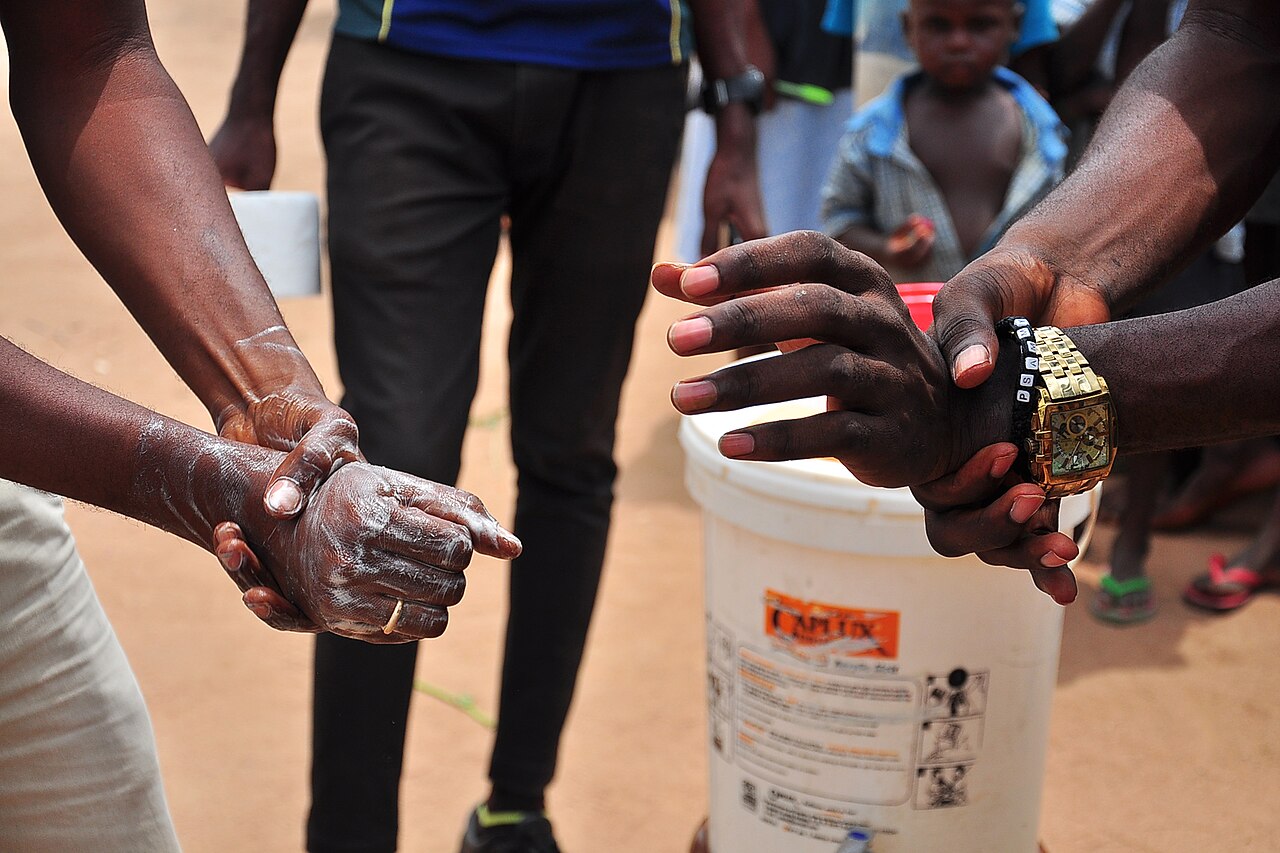
The Federal Government announced plans to identify and equip Ebola treatment centres in states with designated ports of entry after the number of contacts linked to Nigeria’s confirmed case rose to 53. The move aims to strengthen preparedness for a possible spread of the disease, according to a situation report obtained by Punch on Sunday.
The report said the University of Abuja Teaching Hospital has undergone a needs assessment and optimisation for isolation and treatment, while an infection prevention and control assessment is planned for Karu General Hospital to determine its surge capacity. The Federal Government will also establish referral mechanisms for suspected cases, strengthen surveillance at ports of entry and improve the capacity of healthcare facilities to manage possible infections.
The Nigeria Centre for Disease Control and Prevention has approved an emergency payment of N100,000 per person per week for those placed in isolation or quarantine. Director-General Dr Jide Idris explained the payment is to cover accommodation, feeding and family support, noting that some contacts had complained about the financial burden of staying in isolation.
The national incident management system has been activated under the coordination of Coordinating Minister of Health and Social Welfare Prof Muhammad Ali Pate, with an Incident Action Plan guiding activities across coordination, surveillance, laboratory services, case management, infection prevention and control, risk communication, logistics and port health. The plan includes sustained coordination among federal and state authorities, healthcare facilities and response partners.
Contact tracing has identified 53 individuals, up from an earlier count of 44. Of these, 44 are primary contacts associated with the health facility where the confirmed patient was treated, while nine are household members or people who attended her earlier emergency room visit. The Nigeria Centre for Disease Control and Prevention is also identifying secondary contacts and will monitor all contacts daily, testing anyone who develops symptoms. One contact who felt unwell tested negative, but follow up continues.
The Nigeria Centre for Disease Control and Prevention has revised its case definition for Ebola to help health workers identify suspected infections, including people with sudden fever and relevant travel or exposure history, unexplained bleeding, or symptoms after contact with a confirmed case. The agency urges community members to report unexplained deaths and suspect cases.
Genomic sequencing of the confirmed case, a Bundibugyo strain, was completed by the National Reference Laboratory and the African Centre of Excellence for Genomics of Infectious Diseases. The report says the sequencing results will be shared and diagnostic testing will continue.
To boost laboratory capacity, the government will position additional reagents and commodities across the national network of labs. The national stockpile of personal protective equipment has been increased, including 500 donated testing kits, and more supplies will be positioned in high risk states.
Infection prevention and control capacity assessments have been conducted across states and health facilities, and the facility managing the patient has been engaged on appropriate guidelines. The next phase will implement an infection prevention and control ring strategy across concentric perimeters to strengthen screening and isolation measures.
Port Health Services have conducted an in depth investigation with aviation stakeholders, and enhanced surveillance at all ports of entry will continue. The Nigeria Centre for Disease Control and Prevention also maintains public communication and community engagement, monitoring discussions to counter misinformation and urging Nigerians to rely on official information and cooperate with contact tracing.
The confirmed case involves a woman who travelled to Nigeria after visiting Uganda and the Democratic Republic of the Congo. She developed symptoms on 7 October, sought care on 11 October and tested positive for the Bundibugyo strain on 20 October. The World Health Organization continues investigations to determine the likely source of infection.
Source: Punch.
Spotted a mistake, or is this about you and you want it corrected? Tell us and we'll look at it quickly.
Study smarter this semester.
Upload your notes and MyUniPal teaches you every topic, with quizzes and mock exams.
Try MyUniPal freeRelated stories
See all
El Niño weather raises extreme heat risks and health dangers in Nigeria
Learn how rising temperatures from El Niño threaten student health and what simple steps you can take to stay safe on campus.
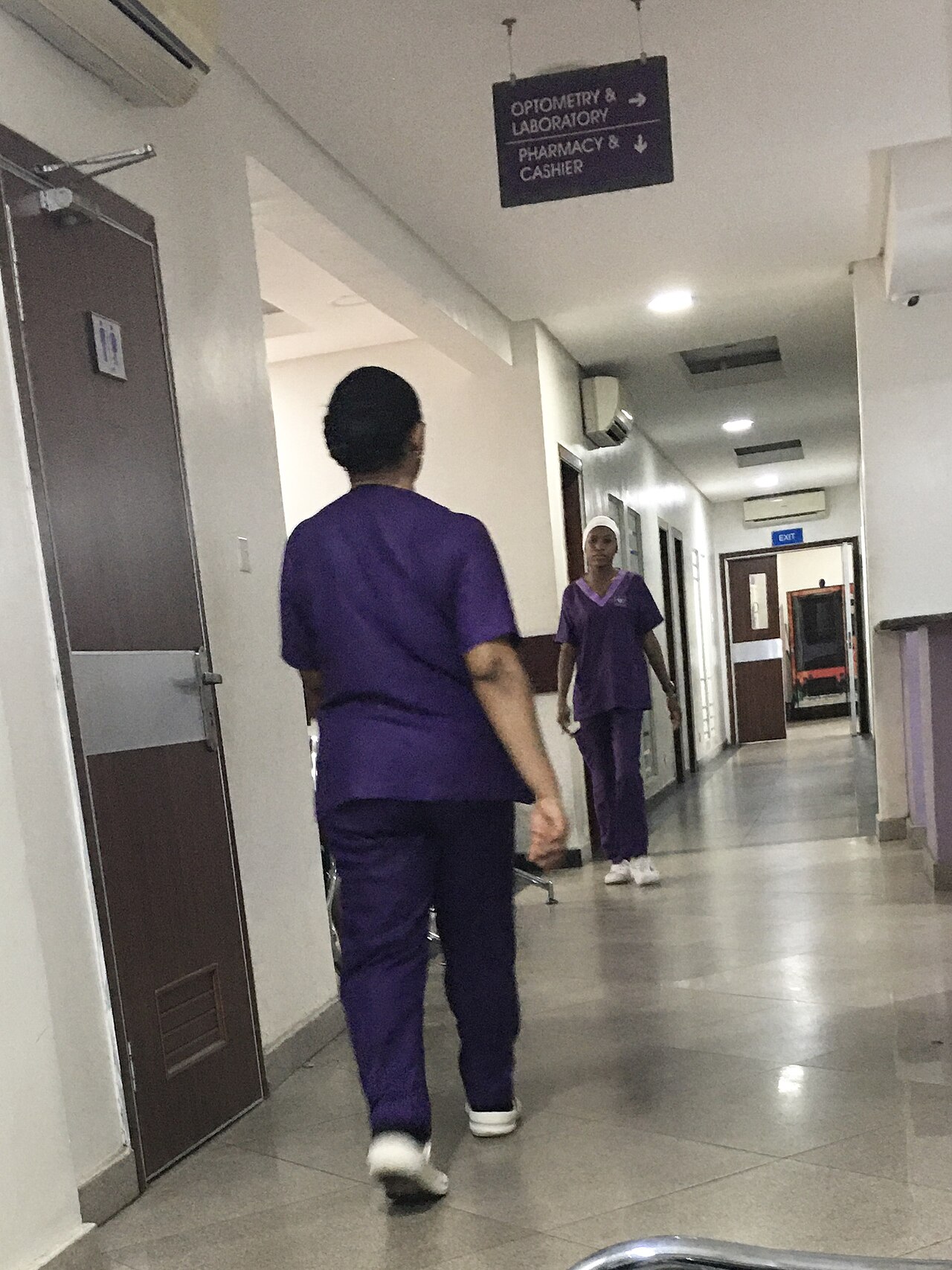
Lagos sets December 31 deadline for mandatory health insurance enforcement
Lagos residents and employers must secure health insurance before mandatory enforcement begins on January 1, 2027.
UNILAG Medical Centre issues Ebola advisory and urges calm
Find out the symptoms to watch for and how to protect yourself on campus following recent Ebola virus reports.

Lagos warns residents to prepare for extreme heat and health risks
Students facing long lectures and campus walks must stay hydrated and seek shade as rising temperatures and dry weather threaten Lagos.
Comments
No comments yet.