Energy
Nigeria reaches 106 operational CNG stations after $2.6 billion private investment
The new Karu station marks the 106th CNG outlet, cutting transport costs up to 40% and paving the way for 500 more sites.
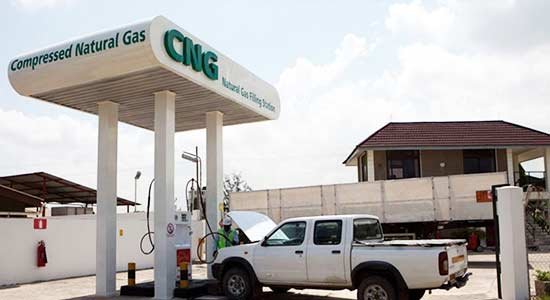
Nigeria now has about 106 operational Compressed Natural Gas refuelling stations across the country following private sector investments worth 2.6 billion dollars. Ismaeel Ahmed, the Executive Chairman and Chief Executive Officer of the Presidential Initiative on Compressed Natural Gas and Electric Vehicles, announced this on Friday. He spoke in Karu, Abuja, during the official opening of a CNG Integrated Refuelling Unit station.
The Karu station was launched through a partnership involving the State House, Pi-CNG and Electric Vehicles, and Rolling Energy. It became the 106th operational station built in less than two years. Ahmed stated that President Bola Tinubu has ordered another round of about 500 refuelling units to be set up through the Midstream and Downstream Gas Infrastructure Fund.
Another 170 refuelling stations are currently at different stages of development or awaiting licences from the Nigerian Midstream and Downstream Petroleum Regulatory Authority. Ahmed noted that the CNG project has reduced transportation costs by about 30 percent to 40 percent on routes where CNG-powered buses run. The current goal is to extend refuelling infrastructure to busy roads and commercial vehicle hubs across the nation.
State House Partnership and Gas Investments
The Permanent Secretary of the State House, Temitope Fashedemi, said the Karu facility was established by converting an abandoned State House petrol station into a CNG refuelling and vehicle conversion centre. The State House provided the structure, while Rolling Energy funded its repairs and installed equipment without any government spending. The Chief Executive Officer of Rolling Energy, Mubarak Danbatta, said the project showed the benefits of partnership between government bodies and private investors.
The project forms part of wider efforts to fix Nigeria's gas infrastructure deficit. In August 2026, the Executive Director of the MDGIF, Oluwole Adama, disclosed that the Fund was supporting about 200 gas infrastructure projects nationwide. This aims to tap into the country's 200 trillion cubic feet of gas reserves and address a reported 20 billion dollars annual deficit in gas infrastructure. In early 2025, the Executive Secretary of the Nigeria Extractive Industries Transparency Initiative, Dr Ogbonnaya Orji, also informed the Senate Committee on Public Accounts that Nigeria required 20 billion dollars annually for 10 years in gas infrastructure investments.
Source: Nairametrics (all).
Spotted a mistake, or is this about you and you want it corrected? Tell us and we'll look at it quickly.
Study smarter this semester.
Upload your notes and MyUniPal teaches you every topic, with quizzes and mock exams.
Try MyUniPal freeRelated stories

Rivers polytechnics face shutdown over unpaid lecturer allowances
Academic activities in three Rivers State polytechnics face a total shutdown by the end of November if CATA and EAA allowances remain unpaid.
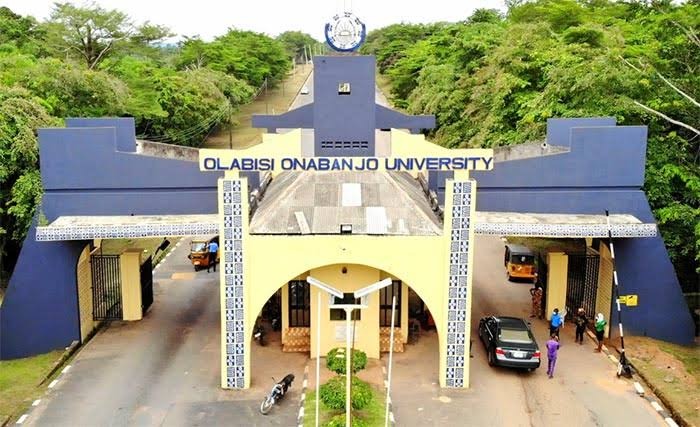
OOU suspends lectures following student death in campus shuttle accident
Lectures at Olabisi Onabanjo University were suspended for two days after a 200‑level student died following a fall from a moving campus shuttle bus.
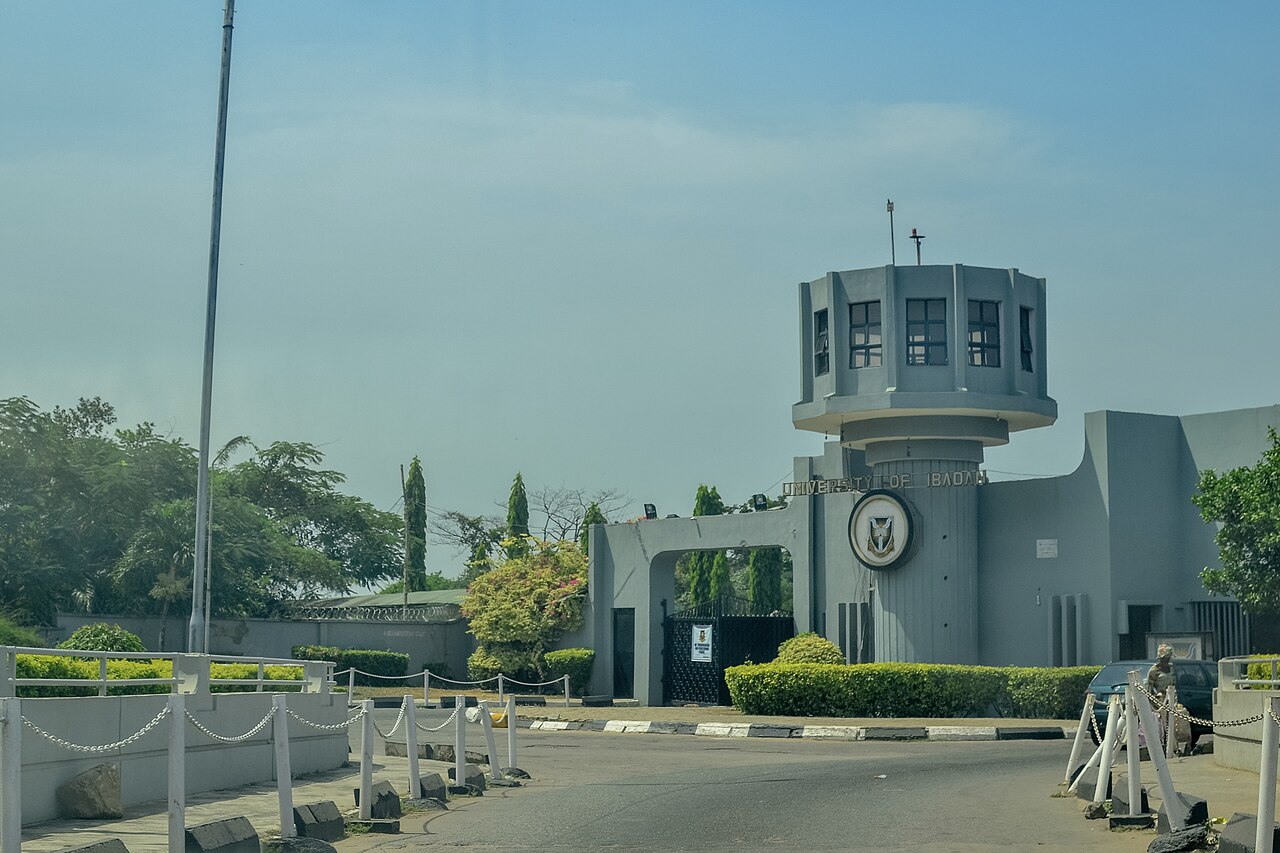
University of Ibadan career fair urges graduates to develop workplace skills
The fair highlighted practical, soft‑skill and digital training needed to bridge study‑employment gap for UI students.

Air traffic controllers threaten strike over failing equipment
NATCA warns the Federal Government over failing aviation infrastructure and possible service withdrawal.
Comments
No comments yet.